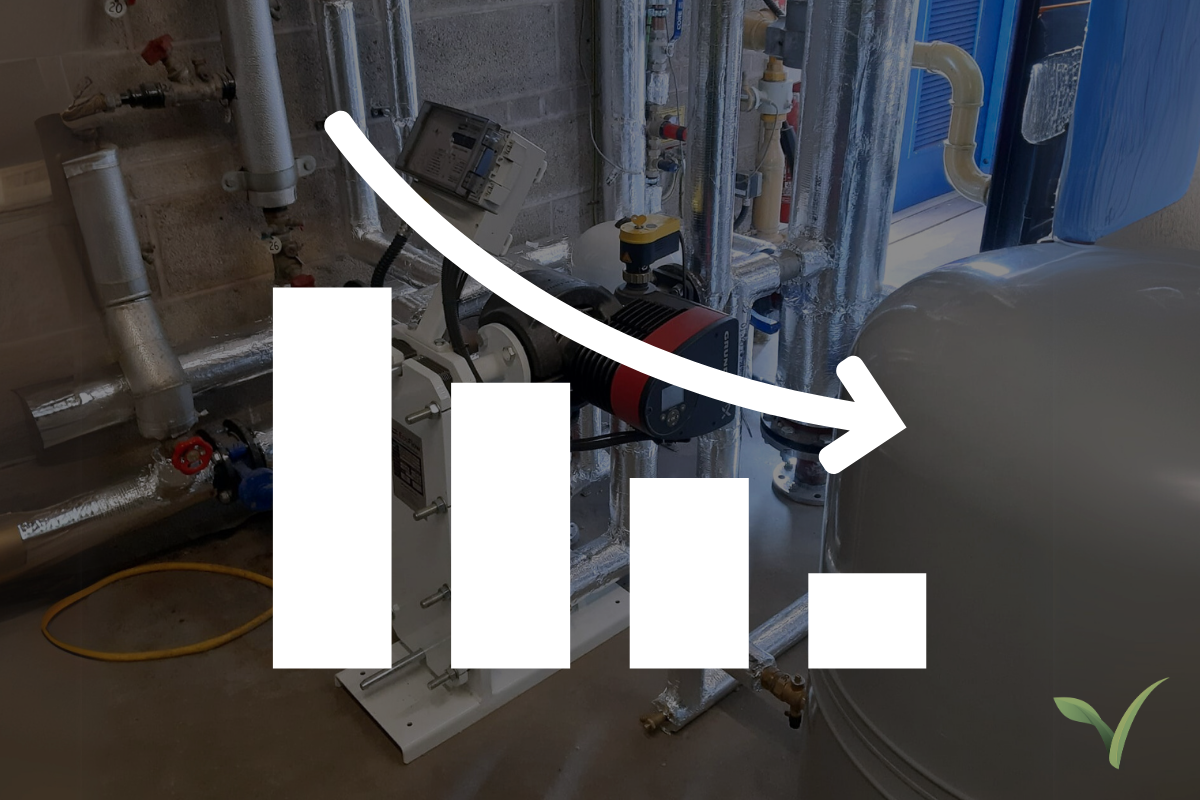
If your plate heat exchanger hasn’t been serviced in the last 12 months, it could already be costing you more than you think. In commercial plant rooms, even minor fouling or gasket wear can increase energy consumption by up to 30% in severe cases.
The good news? Your system will usually show warning signs first.
Need support? Contact us to discuss plate heat exchanger servicing
Blog Content:
- 8 Signs Your Plate Heat Exchanger Needs Servicing or Repairing
- How to keep your Plate Heat Exchanger Running at Peak Performance
- Trusted UK Wide Plate Heat Exchanger Servicing
8 Signs Your Plate Heat Exchanger Needs Servicing or Repairing
1. The Approach Temperature Test
Engineers use approach temperature to assess the health of a plate heat exchanger. It refers to the smallest temperature difference between the hot and cold fluids within the unit.
- The red flag: If this gap begins to widen, it indicates reduced heat transfer efficiency, often caused by fouling or scaling on the plates.
2. External or Internal Leaks
Leaks are a clear indication that something isn’t functioning correctly.
- External: Visible fluid around the plate pack is typically caused by gasket failure.
- Internal: Cracks or pinholes in the plates can allow the two fluids to mix. Any signs of pressure changes or fluid contamination indicate a possible failure, shut the system down immediately to prevent damage and cross-contamination.
If you’re unsure what’s causing a leak, read our guide to diagnosing plate heat exchanger failures and leaks.
Read guide to diagnose a PHE leak
3. Unusual Noises
A properly functioning PHE should run quietly. Whistling, vibration or banging noises can indicate air pockets, loose plates or internal debris. Left unchecked, these issues can lead to mechanical damage and reduced efficiency, it is important to schedule Plate Heat Exchanger maintenance immediately.
4. Reduced Flow Rate
If your pumps are running normally, or even harder than usual, but output has dropped, it’s a strong indication of restricted flow. Fouling or debris can clog the narrow channels between plates, limiting fluid movement.
This restriction reduces heat transfer efficiency, lowers system output and increases strain on your pumps.
Contact our technical support team
5. Significant Pressure Drop
A small pressure drop is normal, but a sudden or sustained increase in differential pressure (∆P) is a strong indicator of fouling. As buildup narrows the channels between plates, resistance to flow increases.
This forces the system to work harder, reducing efficiency and increasing energy consumption. To stop these rising costs, you should schedule plate heat exchanger servicing immediately to restore peak performance.
6. Drop in Thermal Efficiency
If more energy is required to achieve the same output temperature, the PHE is likely fouled. Buildup on the plates reduces heat transfer efficiency, forcing the system to work harder to meet demand.
Over time, this increases operating costs and can place additional strain on the wider system.
7. Evidence of Corrosion
Inspect plates for signs of pitting or rust. While plate heat exchangers are typically manufactured from stainless steel, exposure to aggressive chemicals or poor water treatment can compromise the material over time. Pitting corrosion can eventually lead to pinholes or cracks, increasing the risk of internal leaks and cross-contamination.
Evidence of corrosion means you need to replace compromised plates or gaskets. Visit our online shop for plate heat exchanger spares and genuine replacement parts.
Shop plate heat exchanger parts online here
8. Temperature Fluctuations
If your hot water supply fluctuates between scalding and lukewarm, your PHE may be struggling to maintain a stable operating condition. This is often caused by uneven flow distribution, typically due to partially blocked plate channels.
Left unresolved, this can lead to inconsistent performance and reduced system reliability.
How to keep your Plate Heat Exchanger Running at Peak Performance
To ensure your PHE operates at maximum efficiency and longevity, it is essential to schedule annual plate heat exchanger servicing alongside regular cleaning. A neglected system doesn’t just lose performance; it increases your energy costs.
Trusted UK Wide Plate Heat Exchanger Servicing
If you’re experiencing any of the problems discussed above, contact our technical team to schedule servicing.
At Virdis Energy, we go beyond providing high-quality solutions. We offer:
- Genuine spare parts
- Tailored service and maintenance agreements
- Expert troubleshooting and technical support