
- What are Low-Temperature Hot Water Systems?
- Why Low-Temperature Heating Is Becoming More Popular
- How These Heating Systems Work
- Key Components of an LTHW System
- The Benefits of Lower Temperature Heating
- How LTHW Compares to Traditional Heating Systems
- Choosing a Heat Source: Boilers vs Heat Pumps
- Improving Heating System Efficiency
- Installation and Maintenance Considerations
- What the Future Looks Like for Low-Temperature Heating
What are Low-Temperature Hot Water Systems?
Low-temperature hot water (LTHW) systems are heating systems that operate with water temperatures significantly lower than traditional heating systems. Typically, these systems function at a flow temperature of 45°C to 55°C, compared to the high-temperature systems that run at 70°C to 80°C. The lower temperature reduces energy consumption and enhances efficiency.
Why Low-Temperature Heating Is Becoming More Popular?
Choosing low-temperature heating systems has numerous advantages:
- Energy-efficient
- Reduced operational costs
- Positive overall environmental impact
By operating at lower temperatures, these systems can more effectively use renewable energy sources, such as heat pumps, which are optimised for lower temperature ranges.
How These Heating Systems Work
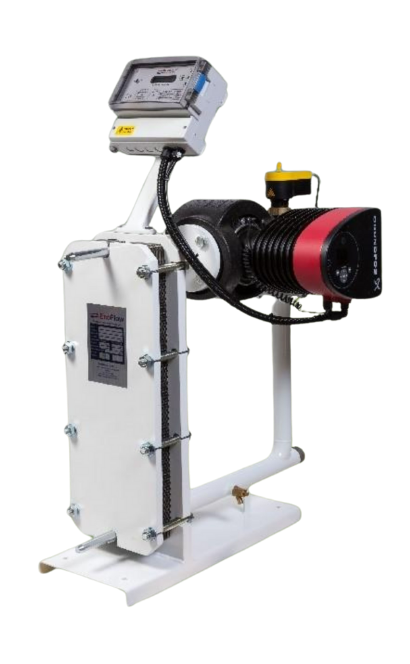
They work by circulating hot water through a circuit of pipes to radiators or underfloor heating emitters. A heat source, such as a boiler or heat pump, heats the water to a lower temperature than conventional systems. This lower-temperature water then releases heat into the room, maintaining a comfortable desired temperature. Our most popular plate heat exchanger range supports LTHW as a primary heat source, the GP Series which consists of the GP Water, GP Steam and GP Pool.
Key Components of an LTHW System
Boilers and Heat Pumps
Boilers and heat pumps are the primary heat sources for LTHW systems. Condensing boilers are particularly efficient as they can reclaim heat from the exhaust gases, achieving higher efficiency. Heat pumps, including air-source and ground-source variants, are ideal for LTHW systems due to their ability to produce heat efficiently at lower temperatures.
Radiators and Underfloor Heating
Radiators and underfloor heating systems act as emitters, distributing heat into living spaces. Radiators must be sized correctly to ensure sufficient heat output at lower temperatures. Underfloor heating is particularly effective with LTHW due to its larger surface area for heat distribution.
Control Systems
Control systems are crucial for maintaining an even temperature and optimising energy use. Advanced thermostats and programmable controls can help manage the flow temperature and the timing of the heating cycles to maximise efficiency.
The Benefits of Lower Temperature Heating
- Energy Efficiency: LTHW systems are more energy-efficient than traditional high-temperature systems. Operating at lower temperatures reduces heat losses and improves the efficiency of heat sources like condensing boilers and heat pumps.
- Eco-Friendly: LTHW systems significantly reduce carbon emissions by using lower temperatures and being compatible with renewable energy sources. They align well with eco-friendly goals and can help achieve sustainability targets.
- Cost Savings: The energy efficiency of LTHW systems translates into cost savings on energy bills. Over time, the reduced energy consumption offsets the initial installation costs, making it a financially sound investment.
Contact our technical experts with any questions or enquiries
How LTHW Compares to Traditional Heating Systems
- Operating Temperature and Energy Consumption: Traditional heating systems typically operate at higher temperatures, leading to higher energy consumption and lower efficiency.
- Boiler Compatibility: LTHW systems are ideal for condensing boilers whereas traditional heating systems are more suited for older non-condensing boilers.
- Heat Loss: Traditional heating systems tend to have higher heat losses.
Choosing a Heat Source: Boilers vs. Heat Pumps
Boilers
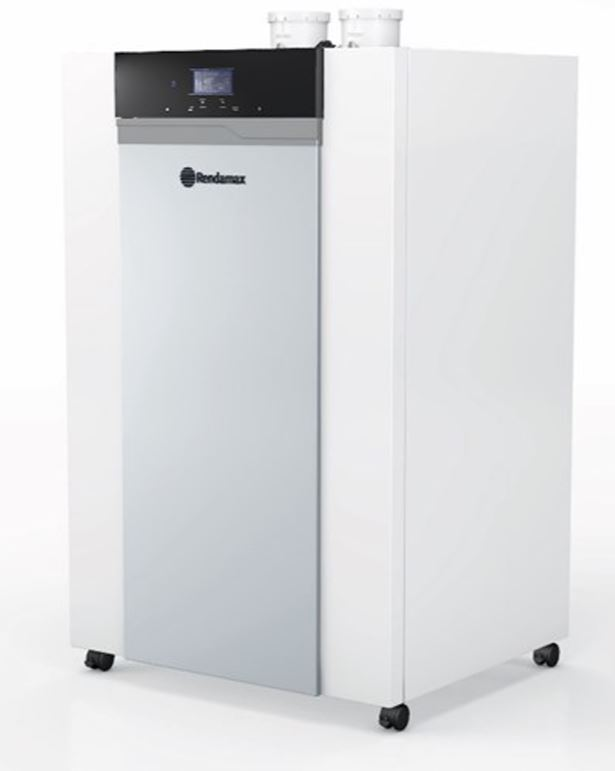
Condensing boilers are a popular choice for LTHW systems due to their high efficiency. They can reclaim heat from exhaust gases, making them more efficient than traditional boilers.
Explore our range of high-efficiency boilers
Heat Pumps
Heat pumps, especially air- and ground-source heat pumps, are ideal for LTHW systems. They operate efficiently at lower temperatures and are compatible with renewable energy sources, reducing energy bills and environmental impact.
Contact our experts to discuss heat pump options
Improving Heating System Efficiency
Proper Sizing and Design
The design of heating systems plays a crucial role in their efficiency. Ensuring that the radiators or underfloor heating systems are appropriately sized for the space is essential. An appropriately sized system can lead to efficiency and adequate heating.
Regular Maintenance
Regular system maintenance, is essential to ensure optimal performance and equipment longevity. Periodic checks and servicing ensure the system runs efficiently and prolongs its lifespan.
Installation and Maintenance Considerations
Professional Installation
Professional installation is essential, specifically by a Gas Safe Registered engineer. Qualified heating engineers who understand the fundamental requirements of central heating systems can ensure that the system is installed correctly and efficiently.
Maintenance Tips
Maintenance at least annually is recommended to keep the equipment performing as expected. It also reduces the chances of problems arising and minimises downtime.
What the Future Looks Like for Low-Temperature Hot Water Heating
Technological Advancements
LTHW systems will become even more efficient and easier to install as technology advances. Innovations in heat pumps and control systems will enhance their performance and make them more accessible to homeowners.
Renewable Energy Integration
LTHW systems are perfectly positioned to integrate with renewable energy sources. As the push for renewable energy grows, these systems will play a crucial role in reducing carbon footprints and achieving sustainability goals.
Growing Adoption
The adoption of LTHW systems is expected to increase as more people become aware of their benefits. With rising energy costs and a growing focus on eco-friendly living, LTHW systems offer a practical and efficient solution for modern businesses.
Conclusion
Low-temperature hot water systems represent a significant advancement in domestic heating. Operating at lower temperatures offers numerous benefits, including improved energy efficiency, cost savings and reduced environmental impact.